Sustained Vitality: Understanding Mobility, Flexibility, and Bone Health Beyond Forty
Explore the foundations of maintaining an active, healthy lifestyle as we age. Learn about movement, nutrition, and the physiological changes that come with time.
Educational content only. No promises of outcomes.
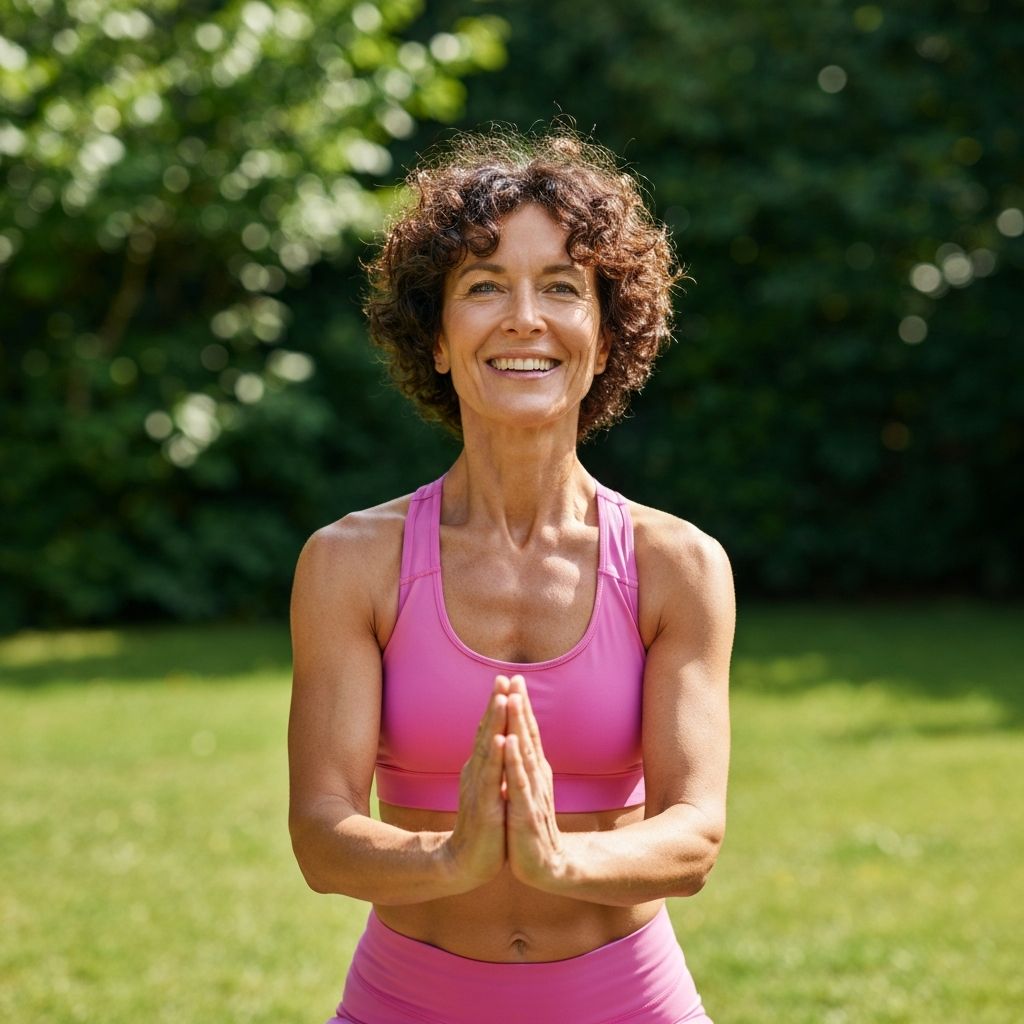
Understanding Movement
Movement is a fundamental aspect of human existence. The ability to move—whether standing, walking, stretching, or participating in everyday activities—forms the foundation of independence and quality of life, especially as we age.
Movement encompasses a range of physical activities and is influenced by multiple factors including muscle function, joint flexibility, cardiovascular health, and overall physical conditioning. Understanding how our bodies move helps us appreciate the importance of maintaining physical activity throughout life.
Daily movement doesn't require intense exercise. Simple activities like walking, gardening, housekeeping, or light stretching all contribute to maintaining mobility and overall well-being.
The Role of Flexibility
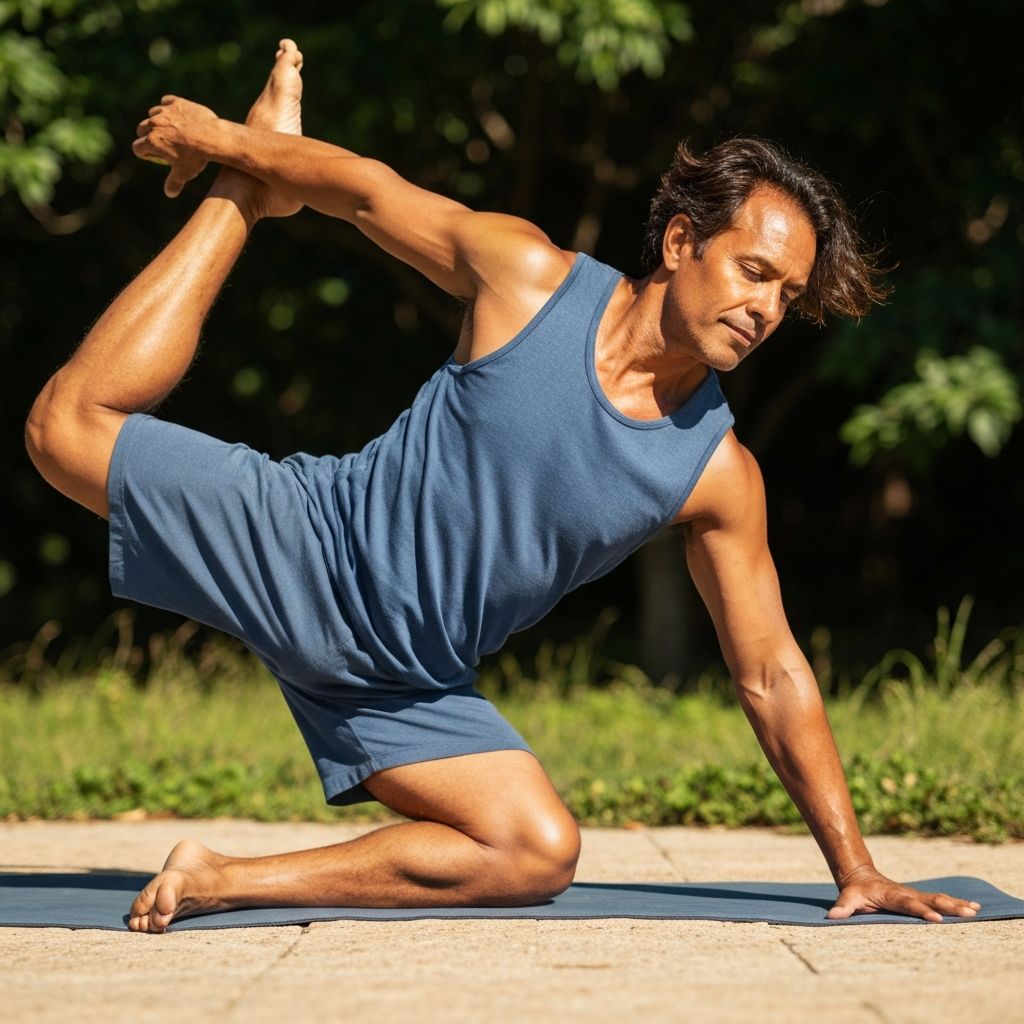
Flexibility refers to the range of motion available in our joints and the ability of our muscles to lengthen. It plays a crucial role in maintaining mobility and reducing physical limitations.
As we age, flexibility naturally decreases, but regular stretching and movement can help maintain or even improve it. Flexible muscles and joints enable us to perform daily tasks with greater ease and comfort.
- Improves range of motion in joints
- Supports better posture and balance
- Enhances comfort during daily activities
- May help reduce physical tension
- Contributes to overall physical well-being
Nutritional Support for Bones
Proper nutrition plays an important role in maintaining bone structure and overall physical health. Various nutrients work together to support the body's systems.
Calcium
Essential mineral that contributes to bone structure and strength. Found in dairy products, leafy greens, and fortified foods.
Vitamin D
Supports calcium absorption and overall bone metabolism. Can be obtained through sunlight exposure and dietary sources.
Magnesium
Important for muscle and bone function. Present in nuts, seeds, and whole grains.
Protein
Building block for muscles and connective tissues. Supports overall physical structure and maintenance.
Benefits of an Active Lifestyle
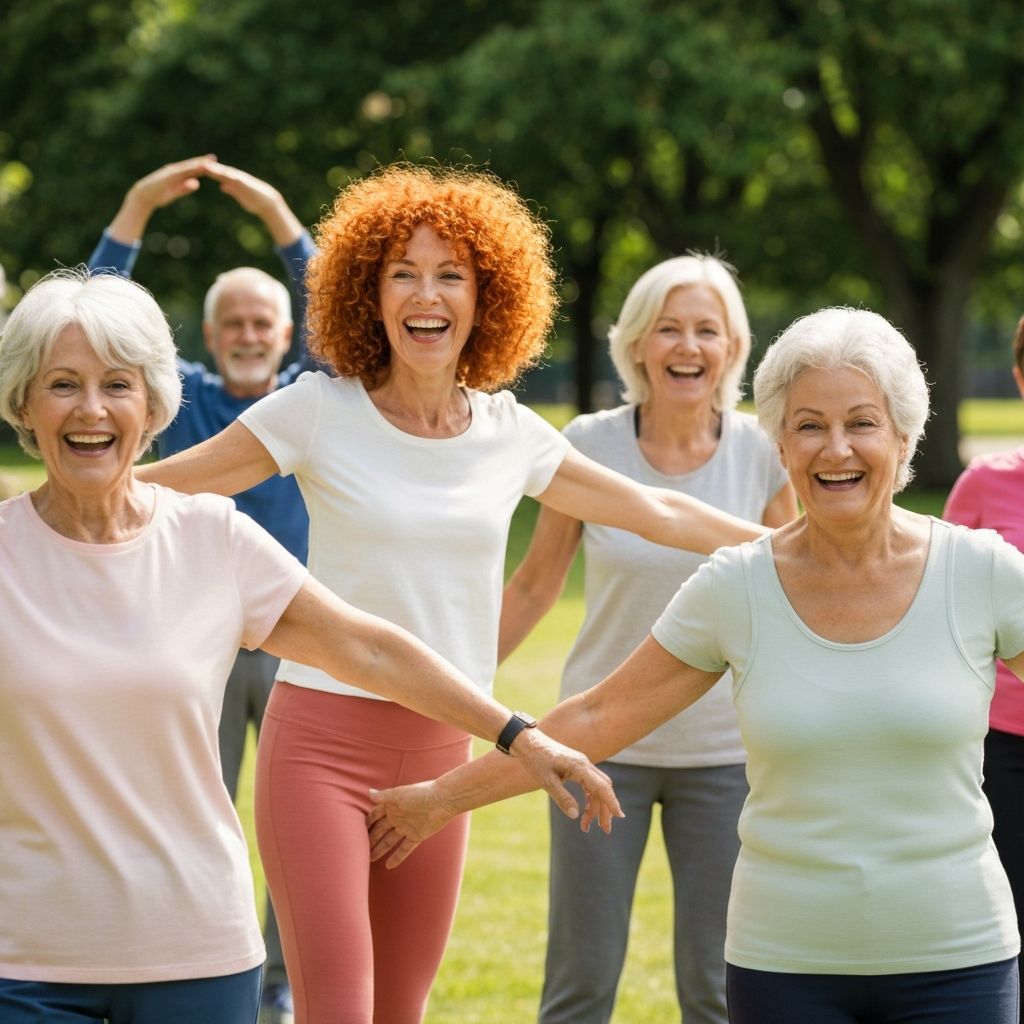
Staying physically active throughout life offers numerous advantages for overall well-being.
- Improved mood and mental clarity
- Better sleep quality and duration
- Increased energy levels
- Enhanced social connections
- Better management of daily stress
- Maintained independence and mobility
- Greater sense of accomplishment
Daily Habits for Well-being
Incorporating simple habits into daily routines can have meaningful effects on overall health and vitality.
Morning Stretching
Begin each day with gentle stretches to awaken the body and prepare for activity.
Stay Hydrated
Maintain consistent water intake throughout the day to support overall bodily functions.
Regular Walking
Engage in daily walks, even short ones, to maintain cardiovascular health and mobility.
Mindful Breaks
Take moments throughout the day to breathe deeply and check in with your body.
Balanced Meals
Eat nutrient-rich foods that support sustained energy and overall wellness.
Quality Sleep
Prioritize consistent sleep patterns to allow the body to recover and rejuvenate.
Exploring Physical Activity
Physical activity comes in many forms and can be adapted to individual preferences and capabilities. The key is finding activities that are enjoyable and sustainable.
| Activity Type | Characteristics | General Suitability |
|---|---|---|
| Walking | Low impact, adaptable pace, easily accessible | Suitable for most age groups |
| Swimming | Full-body engagement, low joint stress, meditative | Excellent for cardiovascular health |
| Yoga | Flexibility focus, balance work, mind-body connection | Adaptable to various skill levels |
| Gardening | Practical, engaging multiple muscle groups, outdoor | Practical for daily activity integration |
| Cycling | Low impact on joints, builds leg strength, enjoyable | Can be adapted for different fitness levels |
Age-Related Changes in the Body
As we progress through life, our bodies undergo natural physiological changes. Understanding these changes helps us adapt our routines and maintain wellness.
Muscle Composition
Muscle mass naturally decreases with age, but regular physical activity can slow this process and maintain strength and functional capacity.
Bone Density
Bones may become less dense over time, but weight-bearing activities and adequate nutrition help support bone structure and resilience.
Cardiovascular System
The heart and circulatory system continue to benefit from regular movement and physical activity, maintaining efficiency and health.
Metabolism
Metabolic rate may decrease slightly with age, but physical activity helps maintain metabolic function and energy balance.
Frequently Asked Questions
It is never too late to begin incorporating more movement into daily life. Starting gently and gradually increasing activity levels allows the body to adapt safely. Consult with a healthcare provider before making significant lifestyle changes.
General guidance suggests regular movement throughout the day, with a mix of different activities. What matters most is consistency and finding activities that fit your lifestyle and preferences.
Yes, flexibility can be maintained and improved through regular stretching and movement exercises. Improvements may be gradual, but consistency yields positive results over time.
Nutrition provides the building blocks and minerals that support bone structure. A balanced diet rich in calcium, vitamin D, and other essential nutrients contributes to overall bone health.
Incorporating movement into daily routines—taking the stairs, stretching regularly, walking instead of driving short distances—helps maintain mobility without requiring dedicated exercise time.
Discomfort during activity warrants attention. Modify the activity, reduce intensity, or seek guidance from a qualified healthcare provider to ensure you're moving safely.
Maintaining Balance and Coordination
Balance and coordination are essential for safe movement and independence. These skills can be developed and maintained through targeted activities.
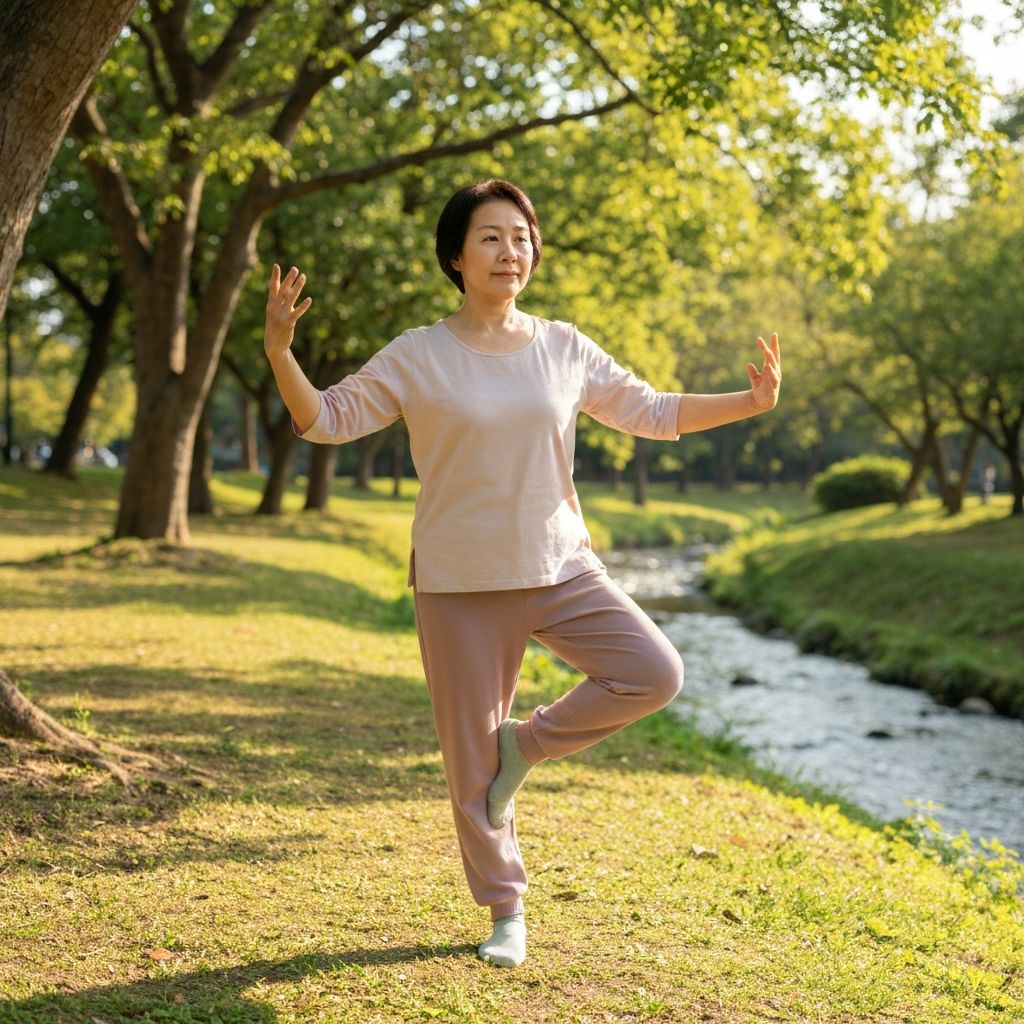
Simple balance exercises, such as standing on one leg or practicing tai chi movements, help maintain proprioception—the body's awareness of its position in space. Coordination exercises, which involve multiple limbs working together, enhance overall movement quality.
Regular practice of balance and coordination activities can reduce the risk of falls and improve confidence in daily movement. These activities need not be strenuous; gentle, deliberate movements are often most effective.
How Our Body Works
Understanding basic bodily functions provides context for why movement and nutrition matter.
Skeletal System
Provides structure and support. Movement and proper nutrition help maintain bone health and resilience.
Muscular System
Enables movement and supports posture. Regular activity maintains muscle function and strength.
Cardiovascular System
Circulates oxygen and nutrients. Physical activity strengthens heart function and overall circulation.
Nervous System
Controls movement and sensation. Coordination and balance activities enhance neural function.
Deepen Your Knowledge
Explore more articles and resources to better understand the concepts of sustained vitality, mobility, and overall wellness.
Ready to learn more? Discover in-depth articles on specific topics related to active longevity.
Explore More